
Walking vs. Running: Which Is Better for Your Health?

When it comes to improving your health, two of the simplest forms of exercise are walking and running. Neither requires expensive equipment or a gym membership, making them accessible to almost everyone. But if you’re trying to decide which activity is better for your health, the answer isn’t as straightforward as you might think. Both walking and running offer incredible physical and mental health benefits, but each has its own strengths depending on your goals, fitness level, and lifestyle. Understanding the differences can help you choose the exercise that works best for you and keeps you motivated in the long run.

Walking: A Gentle Yet Powerful Workout

Walking is often underestimated because it’s easy and familiar, but it provides a surprising number of health benefits. A brisk walk increases your heart rate, strengthens your muscles, improves circulation, and helps maintain a healthy weight. It’s also gentle on your joints, making it an excellent option for older adults, beginners, or anyone recovering from an injury. Even a daily 30-minute walk can lower the risk of heart disease, type 2 diabetes, and high blood pressure while improving overall fitness.

Running: A Faster Path to Fitness

Running is a higher-intensity exercise that burns more calories in less time compared to walking. It strengthens the heart, improves lung capacity, and builds endurance more quickly. Many people choose running because it’s an efficient workout for weight loss and cardiovascular health. It also triggers the release of endorphins, often called the “runner’s high,” which can boost your mood and reduce stress. If you’re looking to improve your athletic performance or maximize calorie burn, running is an excellent choice.

Comparing Weight Loss Benefits

If your primary goal is losing weight, running generally has the advantage because it burns significantly more calories per minute. However, walking can still be highly effective when done consistently. The best exercise for weight loss is the one you can stick with over time. Walking for longer distances or adding hills and intervals can increase calorie burn without putting excessive strain on your body. Ultimately, consistency matters far more than intensity alone.

Impact on Your Joints and Muscles

One of the biggest differences between walking and running is the amount of stress placed on your joints. Running creates a greater impact on your knees, hips, and ankles, which may increase the risk of injury if proper form, footwear, or recovery is neglected. Walking, on the other hand, is considered a low-impact exercise that is much easier on the body. For people with arthritis, chronic joint pain, or mobility issues, walking is often the safer and more sustainable option.

Mental Health Benefits of Both Activities

Exercise isn’t just good for your body; it’s also one of the best ways to support your mental well-being. Both walking and running help reduce stress, anxiety, and symptoms of depression by increasing the production of mood-enhancing chemicals in the brain. Walking outdoors can provide additional benefits through exposure to fresh air and nature, while running may offer a greater sense of accomplishment for those who enjoy pushing their physical limits. Whichever activity you choose, regular movement can improve your mood, sleep quality, and overall quality of life.

Which Exercise Fits Your Lifestyle?

The best workout is one that fits naturally into your daily routine. Walking is easier to incorporate into busy schedules because it doesn’t require special clothing, intense preparation, or long recovery periods. You can walk during lunch breaks, while talking on the phone, or after dinner. Running typically requires more energy and recovery time but may be ideal for those who enjoy challenging themselves or training for races. Choosing an activity you genuinely enjoy makes it much easier to stay consistent.

Can You Combine Walking and Running?

You don’t have to choose one over the other. Many people benefit from combining walking and running in the same fitness routine. Beginners often start with walk-run intervals before progressing to continuous running. Experienced runners may include walking on recovery days to reduce muscle soreness while staying active. Mixing both exercises provides variety, reduces boredom, and lowers the risk of overuse injuries while allowing you to enjoy the unique benefits of each activity.

Both walking and running offer excellent health benefits, and the better choice depends on your fitness level, goals, and personal preferences. Walking is ideal for low-impact, sustainable exercise, while running provides greater intensity and calorie burn. The most important thing is to stay active consistently, because regular movement is the key to better health.

Understanding Pelvic Floor Muscles

Understanding Pelvic Floor Muscles and How to Train Them

Have you heard of “pelvic floor muscles” before? No? Well, you are in luck because through this article you will learn what they are and how to train them. Training your pelvic floor muscles daily can have rewarding results for your overall health and condition. It can prevent unwanted conditions like genital prolapse or incontinence, especially for women who just gave birth. You should check out pelvic floor strong and their pelvic floor strong reviews for a specialized program that trains the pelvic floor muscles in a fun and informative way that can help you have healthy and strong continence.

What are Pelvic Floor Muscles?

Well, I am glad you asked. The pelvic floor muscles are a collection or a set of muscles that supported important organs like the uterus, urethra, and colon. Without the existence of pelvic floor muscles, all of these organs would fall out of place. We all can urinate and defecate through the support of the pelvic floor muscles without them it would not be possible. Even to function sexually would have to be supported by the pelvic floor muscles because they hold the vagina in place.

What Are the Benefits of Pelvic Floor Muscles?

For starters, aside from all of the mentioned above. The pelvic floor muscles can help improve your bladder and bowel control; therefore, you are able to hold in those movements and release them at your will to avoid any embarrassing accident from transpiring. For a woman, who just gave birth having strong and healthy pelvic floor muscles can make postpartum recovery faster and easier. For a man, who just happens to undergo prostate treatment or surgery, if he has strong and healthy pelvic floor muscles then the same goes. Faster and easier recovery.

Pelvic

Are there any other benefits for both sexes? Funny you should ask. They do have other benefits besides the aforementioned above. If you train your pelvic floor muscles daily, they can help you achieve orgasm easier as they are able to increase the sexual satisfaction that you get from having sexual intercourse. Overall, having strong and healthy pelvic floor muscles can only be beneficial in improving your quality of life.

How Do You Train Them?

To train them might be tricky because it requires a bit of technique and feeling to get the exercise going. You would need to have a sense of lifting the muscles around your anus and genitals upwards then release them once you hit the peak contraction. Repeat this cycle for a number of 8 to 12 repetitions for a good range of 4 working sets. Another way to add some icing on the cake is by holding the “lift” sensation for a couple of seconds before releasing them. Remember to stay focused and breathe normally. If you feel any pain, then you should consult a medical expert specialized in the area.

Final Words

Having strong and healthy pelvic floor muscles can benefit you in various ways and improve your overall living quality. If you encounter any discomfort within the muscles then we strongly advise you to consult a doctor that specializes in pelvic floor muscles.
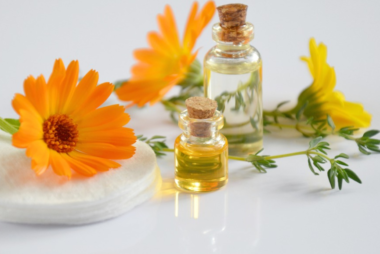

oil

Health hacks: common uses of essential oils

Essential oils have a strong healing effect on the physical, the mental and emotional well-being of an individual. They can be applied directly to the skin, inhaled or diffused. On a technical level, essential oils do much more than lack fatty acids. They contain highly concentrated plant components which take in a huge amount of plants while giving out a small portion of essential oils. This practice is what makes essential oils highly expensive.

Various essential oils are commonly used for health benefits. It is advised that we look for signs such as high-quality therapeutic-grade oils that contain medicinal properties. It is inadvisable to apply the oils directly on your skin as the high concentrations can bring about irritation or skin reactions. Most essential oils are diluted with almond or water. Here are some Health uses of essential oils.

Tea tree oil

Distilled from the Australian plant Melaleuca, it remains a popular tropical oil. It is applied during the treatment of skin blemishes or fungus. Using a cotton swab, you can apply it on an acne blemish or skin infections such as athlete’s foot. Tea tree oil is present in many market skin care products.

Tea tree oils

Lavender

Lavender is highly used due to its unrivaled versatility. It is the perfect relaxer for cuts, bruises, and skin irritations. The lavender scent reduces the stress hormones present in a person’s blood. This is why some prefer to sprinkle a few drops of lavender on their bath to give them relaxation during the night. So even sprinkle a few drops on their hands, rub them together while inhaling the scent, then sprinkle a few more drops on their pillows before dozing off.

Calendula

Originating from the bright-orange marigold flower, calendula is a common essential oil. It’s perfectly suited for those with sensitive skin and is used to reduce the adverse effects of acne scars. A drop or two in your bathing water can help in soothing psoriasis.

Calendula

Chamomile

We are mostly familiar with chamomile that is used in tea. The essential oil component of chamomile delivers the same relaxing effect. This is probably why tea is popular before one goes to bed. You can invigorate its effect by adding a few drops of chamomile onto your pillow.

Peppermint

Peppermint is perfect for the purification and stimulation of an individual’s mind. This increases your level of mental preparedness. Inhaling peppermint increases an individual’s mental accuracy by over 28percent. Only a handful of peppermint oil drops can be ingested internally as it is helpful in dealing with indigestion.

Frankincense

Those who know the merits of frankincense use it for relaxation during baths, as well treating bits from bugs. Frankincense has been used for thousands of years and is applied during the treatment of inflammation, depression and increasing one’s spiritual awareness.

pregnancy

Keeping Fit During Pregnancy

Staying fit is not all about running and jumping around like a lunatic. Here are three simple ways to exercise and keep fit without breaking your back or your bank balance.

Keeping fit during pregnancy

Walkingpregnancy

Walking is such a simple but useful exercise. Maintain good posture when you’re walking. Stand tall and don’t hunch your shoulders. Try to keep your arms relaxed and swing them forwards and backward.

Be careful to avoid walking outdoors when it is scorching and always carry a bottle of water with you. You want to avoid your heart-rate increasing, so keep away from steep hills and make sure you’re wearing comfortable shoes which offer good support. If the weather conditions do not permit, you can use a treadmill indoors, but remember to keep your balance!

Swimming

Swimming is a great overall form of exercise and particularly during the later stages of pregnancy, as walking can become a bit uncomfortable. Being in the water is great because it supports your weight and helps take the pressure off your lower back.

Water is incredible because the effects of gravity are lessened, and therefore there’s much less pressure put on your joints. It has also been found that swelling can be reduced through regular swimming and of course it has a calming effect on the body which is of great benefit.

Yoga and low-impact aerobics

Nowadays, a lot of hospitals and health clubs offer pre-natal exercise classes.Because of the limitations put on a pregnant body such as loss of balance and reduced stamina, the routines involved are designed to allow women to exercise safely. Don’t forget to exercise in a room that is well-ventilated and wear comfortable and breathable clothes and constantly have your bottle of water on hand.

Pregnancy doesn’t have to keep you from exercising. There are many good reasons to maintain your fitness level during pregnancy. Studies have shown that keeping up a moderate degree of activity will help you feel better not only during pregnancy but afterward as well. Below are some guidelines to follow to help you stay fit and sculpt your body during pregnancy.

One situation pregnancy 2many women experience is postpartum depression, and it has been confirmed that exercise is efficient at treating it as well as preventing it to a certain extent, being able to reduce the severity of this issue at least. So, by exercising while you are pregnant, the chance of you becoming depressed later on is significantly reduced. The exact science behind it is unknown, but scientists have found that exercise has a positive impact on brain chemistry.